
Secrets To Making A Good Homemade Pizza
The secret of a good homemade pizza lies mainly in two things. These are using the right ingredients and baking the pizza at the right… ( Read More )
Delicious Foods
The duck meat is an ingredient with a sweet, delicate flavor and in some well-stocked supermarkets you can find it already cleaned and cut into pieces, ready to cook. The duck meat is distinguished by the color and consistency of variables according to his habits (wild or domestic) and his diet (grass, algae, corn, feed or animals). The wild duck can be considered a game (or black meat, even if red), while the domestic duck, although having consistency and color more similar to chicken or turkey, represents almost a compromise between white meat and black meat .
And if you want to taste all the delicacy of the duck without dirtying the stove, come to Duck House Restaurant! You will be conquered by the menu of the evening thanks to the originality of the combinations proposed by the Chefs:.
Whether you’re a novice or a seasoned chef, you’ve probably wondered at least once whether you can use wine as a cooking ingredient. The answer… ( Read More )
Cooking Foods

The secret of a good homemade pizza lies mainly in two things. These are using the right ingredients and baking the pizza at the right… ( Read More )

Opening a restaurant is not for the faint of heart or for those which aren’t dedicated. You need to know about what you are getting… ( Read More )

Coffee tastes good, but it can taste even better with the proper tools. Great thing is that Coffee Gear Reviews provide you with very informative… ( Read More )
Nutrition is one of the major global challenges. One-third of the total environmental impact is caused by your diet. How you eat here and now… ( Read More )

Restaurant openings, brewery launches, and tasting rooms across the country are investing in a detail that used to belong mostly to red carpets and award shows: the branded photo backdrop. Nearly three out of four attendees now capture content while they’re at an event, according to Event Marketer and Sparks, whose EventTrack 2025 study also found that Instagram, YouTube, and Facebook remain the top places that content ends up once it’s taken. For food and beverage brands, that shift has turned a simple wall into a working piece of marketing equipment.
The problem these brands are solving is not new. University fundraising galas and donor receptions have long relied on a defined, branded photo spot to give guests, press, and sponsors a consistent place to be seen, similar to how a step and repeat NYC setup functions at a commencement ceremony or donor dinner. Food and drink businesses face a version of the same challenge. A tasting, a pop-up, or a private dinner can generate plenty of goodwill in the room, but without a deliberate visual cue, that goodwill rarely travels beyond the guests who were physically present.
A repeating-logo backdrop, sometimes called a press wall or step-and-repeat display, gives an event something a menu or a signature cocktail cannot: a consistent visual anchor that shows up in every photo taken in front of it. Data from Eventgroove‘s 2025 industry survey indicates that food and beverage offerings already rank among the top factors attendees say shape their overall experience at an event, cited by roughly a quarter of respondents. Pairing that experience with a designated photo area gives guests an easy, low-effort way to document it, and gives the host a way to make sure the brand travels along with the memory.
Findings from the Expert Market Food & Beverage Industry Report show that about one in five food and beverage businesses have added ticketed tastings, chef-led classes, or themed dining nights specifically to diversify how they generate revenue and attention. Events built around experience, rather than a straightforward transaction, tend to benefit the most from a branded photo moment, since the whole premise is getting people to remember, and share, something beyond the food itself.
Research published by Dash Social, which benchmarks social performance across thousands of food and beverage brand accounts, notes that audiences are engaging more with video content from these accounts than in prior years, which raises the stakes for how a backdrop actually performs on camera, not just in a static photo. That said, a polished photo moment only carries a brand so far. Beverage categories that lean heavily on flashy launches, energy drinks among them, have also drawn scrutiny over misleading label claims, a reminder that visual polish at an event works best when it is backed by clear, accurate information on the product itself.
Event planners in the food and drink space weigh several of the same factors that campus event planners consider when setting up a stage or registration area. Lighting matters first. A dining room lit for ambiance can make a backdrop look flat or washed out in photos unless the design accounts for lower light. Logo placement matters too, since a mark that is too small or too close to the edge of the frame tends to get cropped out once guests start taking selfies rather than posed group shots.
Venue constraints are the other major factor. Restaurants and tasting rooms are rarely designed with a fixed photo wall in mind, so organizers often need a freestanding or retractable setup that can be moved without damaging floors or fixtures. Material choice plays a role here as well, since a backdrop that wrinkles easily or reflects glare under kitchen-adjacent lighting will photograph poorly regardless of how well the logo itself is designed.
As experiential formats continue to spread through the food and beverage industry, from ticketed tastings to brand activations at festivals, the branded backdrop is likely to remain a fixture rather than a novelty. It costs relatively little compared to the event itself, yet it gives organizers a direct way to make sure that when guests share their experience, the brand goes with it.

The Food and Agriculture Organization of the United Nations (FAO) estimates that more than one-third of the food produced globally is lost or wasted each year, a reminder that conversations about food involve far more than recipes or diets. Films and television have helped bring these issues into public view, shaping how audiences think about nutrition, farming, and sustainability. While compelling storytelling can raise awareness, it can also blur the line between scientific evidence and dramatic narrative.
Food-focused content appears across many platforms, from dedicated documentary channels to general collections such as Cima Now foreign movies, where stories from different cultures explore food traditions, agriculture, and environmental concerns. These productions often introduce meaningful discussions about nutrition and food systems. Even so, every film reflects creative choices, which means audiences benefit from comparing what they watch with guidance from credible scientific organizations.
Food is deeply connected to family, culture, identity, and health. Because of that connection, stories centered on meals or agriculture often resonate long after the credits roll. A documentary exposing food waste or a drama portraying struggling farmers can influence how people shop, cook, or think about environmental issues.
The International Food Information Council (IFIC) regularly reports that consumers obtain nutrition information from many sources, including television, streaming platforms, and social media. While this broad access increases awareness, it also makes it easier for simplified messages to spread quickly. Emotional storytelling can sometimes outweigh scientific nuance.
That does not mean these productions lack value. Many encourage important conversations that might never happen otherwise. The key is understanding that entertainment often condenses complex topics into stories that fit within a limited running time.
Many films and documentaries spotlight a single food as the answer to better health. Whether it is berries, seeds, fermented foods, or exotic fruits, these ingredients are sometimes presented as if they alone can prevent disease or dramatically improve well-being.
The World Health Organization (WHO) and dietary experts consistently emphasize that overall eating patterns matter far more than any individual ingredient. A balanced diet containing vegetables, fruits, whole grains, healthy fats, and appropriate protein offers stronger long-term health benefits than relying on one so-called miracle food.
Another common storyline follows dramatic dietary changes that quickly transform someone’s health or appearance. While rapid changes make for compelling viewing, they rarely reflect real life.
Research published by the Harvard T.H. Chan School of Public Health shows that sustainable eating habits are generally easier to maintain than highly restrictive diets. Long-term consistency usually produces better health outcomes than short periods of extreme eating.
Television narratives often classify foods into simple categories. Sugar becomes the villain, carbohydrates become the enemy, or processed foods receive blanket criticism.
Nutrition science paints a more balanced picture. Experts from the Academy of Nutrition and Dietetics explain that context matters. Portion sizes, frequency of consumption, and overall dietary quality influence health far more than labeling individual foods as entirely harmful or entirely beneficial.
Many documentaries create a clear contrast between family farms and large agricultural operations. While these differences certainly exist, real-world agriculture is more complicated than a simple comparison.
Modern farming serves billions of people while balancing environmental concerns, economic pressures, weather conditions, labor shortages, and changing consumer demand. Farmers around the world adopt different methods depending on climate, available resources, and local regulations.
The Organisation for Economic Co-operation and Development (OECD) notes that sustainable agricultural policies increasingly focus on improving productivity while reducing environmental impact, rather than promoting one farming model over another.
Movies sometimes suggest that organic farming automatically represents the most sustainable choice. Organic agriculture offers many environmental advantages in certain situations, including reduced synthetic pesticide use, but sustainability extends beyond certification labels.
Transportation distance, water management, soil conservation, biodiversity, packaging, and food waste all contribute to environmental impact. The United Nations Environment Programme (UNEP) highlights that sustainable food systems require attention to the entire supply chain rather than focusing on a single production method.
Feature films often simplify how food reaches consumers. Grocery stores appear fully stocked without showing the logistics that make those shelves possible.
In reality, food systems involve farmers, processors, transportation companies, distributors, retailers, regulators, and consumers. Climate events, fuel prices, labor availability, and international trade all influence food availability and cost.
The World Bank explains that resilient food systems depend on efficient infrastructure, reliable transportation, and policies that support producers while maintaining food security. These behind-the-scenes factors rarely receive the same screen time as dramatic personal stories, yet they shape everyday access to food.
Food waste is another example. Many productions highlight leftovers at home while giving less attention to losses during harvesting, storage, transportation, and retail. Addressing waste requires improvements throughout the supply chain rather than relying solely on individual consumer choices.
Despite differing opinions presented in documentaries, many public health recommendations remain remarkably consistent.
The Dietary Guidelines for Americans, developed by the U.S. Departments of Agriculture and Health and Human Services, encourage eating a variety of nutrient-dense foods, limiting excessive added sugars and saturated fats, and choosing dietary patterns that support long-term health.
Sustainability recommendations follow similar principles. Experts encourage reducing unnecessary food waste, choosing seasonal produce when practical, incorporating more plant-based meals, and supporting responsible seafood and agricultural practices where possible.
These recommendations rarely promise dramatic overnight changes. Instead, they focus on gradual improvements that people can realistically maintain throughout their lives.
Documentaries and fictional narratives can inspire curiosity, compassion, and meaningful conversations. They often shine a light on overlooked issues and encourage audiences to ask important questions.
At the same time, viewers benefit from checking whether major claims are supported by peer-reviewed research or respected public health organizations. Looking for multiple credible sources helps separate well-supported conclusions from storytelling designed primarily for emotional impact.
Media literacy becomes especially valuable when films present controversial nutrition advice or sweeping claims about farming practices. Science evolves through evidence, ongoing research, and careful evaluation rather than dramatic revelations.
Exploring international cinema, global documentaries, and overseas productions remains an excellent way to understand how different cultures approach food. These stories offer valuable cultural insight, even when some health claims deserve additional verification through trusted scientific sources.
Food has always been a powerful storytelling tool because it reflects culture, survival, health, and identity. Films and documentaries capture those themes in ways that facts alone often cannot. They encourage audiences to think differently about nutrition, farming, and environmental responsibility.
Still, compelling storytelling should complement scientific evidence rather than replace it. Guidance from organizations such as the World Health Organization, FAO, UNEP, and the Academy of Nutrition and Dietetics provides a stronger foundation for everyday decisions than dramatic narratives alone. By enjoying international films, global documentaries, and cross-cultural food stories while verifying important claims through trusted research, viewers can appreciate both the art of storytelling and the value of evidence-based nutrition.

Research shows that online communities play a growing role in shaping consumer behavior, especially in industries driven by personal preferences and social influence. Platforms that allow users to share experiences, vote on content, and discuss products have become important sources of information for people exploring new foods and beverages. Communities like Upvote and discussion forums like Reddit help surface ideas that may otherwise remain unnoticed, giving consumers greater visibility into emerging culinary trends and dining experiences.
Food and beverage trends often spread faster than ever before because people can instantly exchange opinions, recommendations, and reviews. Community-driven platforms create spaces where consumers discuss everything from specialty coffee and plant-based foods to international cuisines and innovative restaurant concepts. As these conversations gain momentum, businesses, researchers, and consumers pay attention to the signals generated by online engagement.
Community voting systems, comment threads, and user-generated content contribute to trend discovery by highlighting topics that resonate with large audiences. Data from Pew Research Center indicates that online platforms increasingly influence how people gather information and make purchasing decisions. As a result, digital communities have become part of the broader ecosystem that shapes food culture and consumer awareness.
One of the most influential features of online communities is the ability for users to vote on content. Voting systems help determine which posts receive greater visibility, allowing popular discussions to reach wider audiences.
When users collectively support content about a new beverage, restaurant concept, or dietary practice, that information becomes easier for others to discover. Discussions about items such as mushroom-based coffee alternatives, functional beverages, or global street food concepts can quickly gain traction when community members engage with them.
Experts at Harvard Business Review note that social proof strongly affects consumer behavior. When large groups show interest in a particular product or idea, other consumers often become curious and investigate further. Community voting creates a visible form of social proof that can accelerate trend awareness.
Consumers often seek authentic feedback before trying unfamiliar foods or beverages. Online communities provide access to firsthand experiences that can be difficult to find through traditional advertising.
People regularly share reviews, preparation methods, taste comparisons, and purchasing recommendations. These detailed discussions help others evaluate products before making decisions. A user describing a new protein beverage or fermented food product may provide practical insights that resonate more strongly than promotional marketing materials.
Research published in the Journal of Consumer Research suggests that peer-generated information can significantly influence purchasing decisions because consumers often perceive fellow users as more relatable and trustworthy than commercial sources.
This exchange of experiences contributes to broader awareness and can help new products gain attention among interested audiences.
Online communities connect people from different regions and cultural backgrounds. This exposure introduces consumers to foods, beverages, and dining traditions they might never encounter through local channels alone.
Community discussions frequently highlight international cuisines, traditional recipes, regional ingredients, and unique preparation techniques. Interest in Korean beverages, Japanese convenience store snacks, Middle Eastern desserts, and Latin American street foods has often been amplified through social sharing and community engagement.
Data from the United Nations World Tourism Organization and various food industry studies indicate that cultural exchange increasingly influences consumer food preferences. Digital conversations extend that exchange beyond travel experiences, making global culinary discoveries accessible from virtually anywhere.
As community members share photos, reviews, and recommendations, they help broaden public awareness of diverse food traditions and emerging international trends.
Health-conscious consumers frequently turn to online communities to discuss nutrition, dietary preferences, and wellness-related products. These conversations often help identify shifts in consumer interests before they become mainstream.
Topics such as plant-based eating, low-sugar beverages, functional ingredients, gut health, and sustainable food choices regularly generate extensive discussion. Users compare experiences, evaluate scientific findings, and share personal outcomes related to different dietary approaches.
Research from the International Food Information Council (IFIC) shows that health considerations remain a major factor influencing food purchasing decisions. Community discussions provide an environment where consumers can explore these considerations through collective learning and information sharing.
Although online discussions should not replace professional medical advice, they often contribute to increased public awareness of dietary developments and evolving consumer preferences.
Restaurants and food brands increasingly monitor online conversations to understand consumer interests and preferences. Feedback shared within communities can reveal emerging demands, product opportunities, and potential areas for improvement.
When users repeatedly discuss specific flavors, menu items, sustainability concerns, or service experiences, businesses may take notice. Industry observers have documented numerous cases where consumer discussions influenced menu innovations, limited-edition products, and brand messaging strategies.
The National Restaurant Association regularly reports that operators monitor consumer preferences to identify trends and adapt offerings. Online communities provide a valuable source of real-time insights that complement traditional market research.
This feedback loop creates a dynamic relationship between consumers and businesses. Community discussions help identify emerging interests, while businesses respond by developing products and experiences aligned with evolving demand.
READ ALSO: Why Coffee Prices Continue Rising like Premium Awning Market Trends?
Online communities have become powerful contributors to food and beverage trend development. Through voting systems, user reviews, cultural exchanges, wellness discussions, and consumer feedback, these platforms help shape public awareness of emerging products and dining experiences.
Digital discussions do not determine trends on their own, but they play an important role in highlighting ideas that capture public interest. As consumers continue to seek information from peers and community-driven platforms, collaborative conversations will likely remain a significant influence on how food and beverage trends gain visibility.
Whether discussing innovative beverages, international cuisines, restaurant concepts, or dietary preferences, community engagement continues to provide valuable insights into changing consumer tastes and the evolving food landscape.
In the Diablo 2 world, obtaining the best D2 items has been one of the key pillars of the development of players. However, the classic grind may be too time-consuming. It is a fact that many players are annoyed by in a fast-paced world of playing. In-game services are transforming that story, allowing them to save time. These services are transforming the way individuals enjoy Diablo 2 and its remastered version. This is because of their ability to enable players to get the gear they want whenever, in the most reliable manner.
The mechanics of Diablo 2 focused on the principle of kill-and-loot, which is the gameplay loop of RPG design. It is also the strength of the game, but it can be a time sink. Players can potentially spend hundreds of hours searching a particular Unique, Set, or key rune before making any meaningful progress. The reason for this is the legendary loot system and RNG mechanics of the game.
This is where time-saving services come in. They offer a well-organized, effective means of getting to the high-powered gear. You can get down to playing and strategizing, and not spending hours on a boring farm game comparable to sustainable eating.

Time-saving services refer to a range of products designed to decrease hours wasted in the process of reading some of the menial or slow-paced material. The primary services would usually encompass:
These are dealt with by professional players or service teams. Their only aim is to assist you in avoiding the most time-consuming aspects of the game. Rather, it should be within the legitimate gaming parameters.
Time-saving services provide players with a number of essential advantages. In particular, they help to avoid the grind:
You can spend less time acquiring items to optimize the time spent playing. This is regardless of whether you are preparing to fight a PvP, trying to beat the Hell difficulty, or finishing end-game constructions.
Goals are the beginning of effective use of time-saving services:
This will enable you to coordinate your time-saving strategy with sound strategic actions.
Not every player requires services immediately. It’s most effective when:
The strategic use of services will result in the most effective result and prevent the unnecessary use of time and money.
According to most players, the act of offloading grind allows them to focus on the elements of the game that they enjoy most. It covers the build experimentation, boss fights, and harder difficulty progression. Players do not have to grind out 100 hours of Act runs, but can spend time on what Diablo 2 is exciting about.
Diablo 2 in-game services with time-saving options provide a real-life solution to players willing to move faster and shorten the gear acquisition process. With professional help integrated into your Diablo 2 experience, you will not have to focus on the grinding side of the game as much. You will also be able to enjoy the parts of the game that are worth playing instead.

The visual appeal of food is just as important as its taste, especially in today’s digital age, where food photography plays a significant role in marketing and social media. A beautifully presented dish can entice customers, increase sales, and boost a restaurant’s reputation. However, capturing that perfect shot requires more than just a good camera and plating skills; lighting is key.
Spotlights like those from Leonlite are essential for achieving the right lighting in food photography. These lights allow photographers to highlight a dish’s textures, colors, and details, making it look as appetizing as it tastes. Whether you’re a professional photographer or a restaurant owner looking to enhance your menu visuals, understanding how to use spotlights effectively can elevate your food photography.
LEONLITE is a brand known for offering high-quality LED lighting solutions that cater to a wide range of needs, including residential, commercial, and industrial applications. Their products are designed with a focus on energy efficiency, durability, and modern aesthetics, making them an excellent choice for anyone looking to upgrade their lighting systems. From landscape lighting like yard lights to security lights, LEONLITE’s offerings are built to deliver reliable performance while also being environmentally friendly. LEONLITE remains a trusted name in the lighting industry, committed to innovation and customer satisfaction.
In food photography, lighting is crucial for bringing out the texture of a dish. Whether it’s a roast chicken’s crispy skin or a dessert’s creamy smoothness, the right lighting can make these details stand out. Spotlights are particularly useful for this purpose, as they provide focused, directional light that can be adjusted to emphasize specific elements of the dish.
By positioning Leonlite spotlights at various angles, you can create shadows that add depth and dimension to your photos. This technique is especially effective in highlighting the different textures within a dish, making the food look more appealing and realistic.
The colors of a dish are one of the first things that catch a viewer’s eye, and lighting plays a significant role in how these colors are perceived. Poor lighting can make food look dull and unappetizing, while the right lighting can make colors pop, giving the food a fresh, vibrant appearance.
Leonlite’s spotlights offer adjustable brightness and color temperature, allowing you to fine-tune the lighting to complement the dish’s colors. For example, using a warm light can enhance the golden tones of baked goods, while a cooler light can make fresh salads and seafood appear crisp and refreshing.
Lighting affects not only how food looks; it also sets the mood for the photograph. Whether you’re aiming for a cozy, rustic vibe or a sleek, modern look, the right lighting can help convey the desired atmosphere. Spotlights are ideal for creating dramatic effects, such as a single beam of light highlighting a beautifully plated dish against a dark background.
Leonlite’s spotlights are versatile enough to adapt to various settings and styles, making them a valuable tool for food photographers. Whether shooting in a professional studio or a restaurant kitchen, these lights can help you achieve the perfect lighting setup for any mood or theme.
Positioning is everything when using spotlights in food photography. Start by placing the spotlight at a 45-degree angle to the dish to create natural shadows and highlights. This setup is often called “side lighting” and is effective for most types of food photography.
Try “backlighting,” where the spotlight is positioned behind the dish, for a more dramatic effect. This technique is particularly useful for capturing the translucency of ingredients like thin slices of fruit or liquids, making them appear to glow from within.
Different dishes may require different lighting setups, and Leonlite spotlights offer the flexibility to adjust brightness and color temperature to suit each dish. For example, lowering the brightness can create a softer, more intimate feel, ideal for romantic desserts or evening meals. On the other hand, increasing the brightness can make a dish appear more vibrant and full of life, perfect for breakfast foods or colorful salads.
Don’t be afraid to experiment with different angles and positions. Moving the spotlight higher or lower can change the shadows and highlights, giving you new ways to showcase the dish. Leonlite spotlights are designed to be easily adjustable, allowing you to quickly change your setup and try out different looks until you find the perfect one.
READ ALSO: Food & Drink: Growing Business
In the competitive world of food photography, the right lighting can make all the difference. Leonlite’s spotlights provide the precision, versatility, and quality needed to take your food photos to the next level. By mastering these spotlights, you can create stunning images that capture the dish’s beauty and convey the taste, texture, and atmosphere that make it irresistible.

Life on the road can be unpredictable, especially for tow truck operators. Long hours, irregular schedules, and the constant need to be on the move make it challenging to maintain a healthy diet. However, eating well on the job is essential for staying alert and energized. This guide offers practical tips and recipes for healthy, easy-to-carry snacks and meals that can be enjoyed between towing jobs.
Tow truck operators often face long and demanding workdays. Proper nutrition is crucial to maintaining energy levels, concentration, and overall health. Skipping meals or relying on fast food can lead to fatigue, decreased performance, and long-term health issues.
For those working with towing San Jose, having a go-to list of nutritious and convenient snacks is a game-changer. These snacks can keep you fueled and ready to handle any roadside emergency that comes your way.
When you’re constantly on the move, portability is key. Snacks that are easy to carry, require no refrigeration, and can be eaten quickly are ideal. Here are some healthy options:
A mix of nuts and seeds provides a great source of protein, healthy fats, and fiber. They are easy to pack and can be eaten by the handful.
Fruits are packed with vitamins, minerals, and natural sugars for a quick energy boost.
Choose bars with natural ingredients and low sugar content. They are a convenient and satisfying option.
Preparing meals in advance can save time and ensure you have nutritious options ready when hunger strikes. Here are some make-ahead meal ideas:
Simple to make and easy to eat on the go, sandwiches and wraps can be packed with healthy ingredients.
Layering ingredients in a mason jar keeps salads fresh and prevents sogginess. Just shake and eat.
These can be prepared in bulk and portioned out for easy meals throughout the week.
Maintaining a balanced diet while working as a tow truck operator requires a bit of planning and commitment. Here are some tips to help you stay on track:
Eating well on the job as a tow truck operator doesn’t have to be a challenge. With a little preparation and the right choices, you can enjoy nutritious, delicious meals and snacks that keep you energized and focused throughout your shift. Prioritize your health by incorporating these tips and recipes into your routine, and you’ll be better equipped to handle the demands of the road.
The food and drink industry is one of the most dynamic and ever-evolving sectors in the business world. It encompasses a wide range of businesses, from restaurants and cafes to food manufacturers and beverage producers.

Health and wellness have become significant drivers of consumer choices in the food and drink sector. With an increasing focus on healthier lifestyles, consumers are seeking out products and menu options that are low in sugar, salt, and saturated fats. As a result, businesses are reformulating their products and menus to cater to this demand, offering healthier alternatives and transparent nutritional information.
Consumers are becoming more adventurous in their culinary tastes, leading to a fusion of global cuisines and a growing appreciation for authenticity. Ethnic foods, street food, and regional specialties are gaining popularity, prompting restaurants and food producers to diversify their offerings and explore new flavor profiles from around the world.
The early years of a child’s life are marked by rapid growth, development, and the foundation for lifelong habits. In this crucial phase, the significance of proper nutrition through balanced food and drink cannot be overstated. Providing children with the right nourishment is essential for their physical, cognitive, and emotional well-being.

Nutrition plays a pivotal role in the growth and development of children. Adequate intake of proteins, vitamins, and minerals is essential for the formation of strong bones, healthy muscles, and a robust immune system. Nutrient-rich foods support optimal physical development, ensuring children reach their growth milestones.
Proper nutrition is closely linked to cognitive development. The brain’s growth and functionality are heavily influenced by the nutrients it receives. Essential fatty acids, found in foods like fish and nuts, contribute to brain health and aid in cognitive functions such as memory, attention, and problem-solving.
Food and drink are not just essential for your survival. They are also sources of great pleasure and enjoyment. The world is full of diverse cuisines and beverages, each offering its unique flavors and experiences. From savory dishes to delectable desserts, from aromatic coffees to refreshing cocktails, the realm of food and drink is a treasure trove of delights.

One of the joys of food and drink is the opportunity to explore different culinary cultures from around the world. Whether it’s indulging in the rich and spicy flavors of Indian cuisine, savoring the delicate nuances of Japanese sushi, or enjoying the hearty comfort food of Italy, each culture offers a unique gastronomic adventure. Through food and drink, you can embark on a journey that expands your horizons and deepens your understanding of different traditions.
Eating healthy foods and drinks is an essential part of a child’s development. A balanced diet that includes all the necessary nutrients is essential for a child’s growth and development. Eating healthy foods and drinks can help children to develop strong bones, teeth, muscles, and brains that are necessary for their physical and mental health. Furthermore, eating healthy foods and drinks can provide children with the energy they need to be active and participate in physical activities.

Eating healthy foods and drinks not only provides the body with essential nutrients. It also helps to promote a healthy lifestyle. Eating healthy can help children build strong bones and muscles, maintain a healthy weight, and decrease their possibility of developing chronic diseases. Furthermore, it can help them to develop good eating habits that will last into adulthood.
The role of food and drinks in society is not only limited to what you consume. It also how food and drinks affect your health. There are numerous studies that show how a diet rich in processed foods can lead to diseases like obesity, diabetes, heart disease, and cancer.

Food and drinks are not just a source of energy and nutrients, but also a source of entertainment. The role of food and drinks in modern society is changing rapidly. More people are choosing to eat healthy food.
The rise in the number of vegetarians has led to a rise in demand for vegan products. These vegan products have been able to attract a large audience because they are seen as healthier alternatives to meat-based foods and beverages.
The significance of healthy food and drink in the modern world is undeniable. The way you live has changed drastically since the industrial revolution. It is important to consume foods that are rich in nutrients and low in calories. This will help you maintain a healthy lifestyle and prevent diseases.

Many people struggle with their weight and diet due to unhealthy food options. With the help of AI, it is easier for people to create a healthy diet plan that is tailored to them.
The future of AI in the food industry will be focused on helping people make healthier choices. You can do this by providing information about what type of food you should eat and the benefits associated with it. The technology will also help you understand how much you should eat to stay fit and healthy.
Your diet is very important. It is necessary to eat healthy foods, not only for good health but also to have enough energy throughout the day. However, there are some more reasons to have a healthy diet, such as stopping premature aging or having a more fulfilling life. In addition, good food and nutrition are vital since babies start with complementary feeding. Healthy children’s food helps them grow and develop properly, avoiding many diseases.

To eat a healthy and balanced diet, it is important that your meals contain the necessary nutrients and in the right amounts. Only in this way would a person have all their needs covered and would not have deficiencies.
Founding a food business has surprises that can endanger your business’s success.
It’s not that easy to find the right property for a beverage store. Both the space and the price have to be right here.
Of course, the sales area should be big enough to present the range of drinks you want to sell in an appealing and accessible way. Your customers should have a good overview of the range and be able to access the goods with their shopping or transport trolleys without restrictions.

The question of where you open your beverage business is at least as important as your product range. So that your customers do not have to travel long distances to come to you, you must also choose the location of your beverage store carefully. Locations next to a supermarket or other shopping facilities are ideal. This may also require parking spaces in front of your business.
If you’re selling food or produce online, it’s essential to find a way of transporting perishable items safely and quickly. Perishables need to be kept at a certain temperature at all times, which can be tricky when shipping them across the country.
The risk of these products going bad is high, but with the right materials and techniques, you can ship perishable items and have them arrive in perfect condition every time. There are many different ways to transport perishable items safely and quickly.
Heavy duty towing plays a crucial role in ensuring the safe transport of perishable items. Perishable goods, such as food and medical supplies, require timely and efficient transportation to maintain their freshness and quality. In cases of vehicle breakdowns or accidents involving large trucks carrying perishable cargo, heavy-duty towing services are indispensable.
These specialized towing vehicles are equipped with powerful engines and sturdy equipment capable of handling the weight and size of commercial trucks. Prompt response and swift recovery provided by heavy-duty towing services minimize delays in delivery schedules, preventing spoilage and preserving the integrity of perishable items.
By swiftly removing disabled vehicles from the road, heavy-duty towing ensures the smooth flow of traffic, reducing the risk of secondary accidents and maintaining safety for all road users. Thus, heavy-duty towing plays a vital role in the logistics chain, safeguarding the timely delivery and quality of perishable goods.
If you’re shipping anything that’s perishable, it’s best to double-box it. Doing this can help to minimize damage, but it can also prevent the contents of the package from getting too warm.

Double-boxing is the most effective way to transport perishable goods. It can help to prevent the goods from being damaged and getting too warm at the same time. If you’re not sure how to double-box your goods, check with your shipper for more information.
If you’re shipping fresh produce, you can add an ice pack or cold pack inside the box. This will help to keep your produce fresh and extend its shelf life. You can also use insulation materials to line the bottom of the box.
These materials will help to prevent the produce from coming into contact with the cold underside of the box and getting too warm. If you’re shipping baked goods, you don’t need to add a cold pack. These items don’t require the same amount of temperature control as fresh produce.
When shipping fresh produce, it’s best to keep the items upright. If you lay them on their side, they can become crushed and bruised, which will decrease the value of your produce and put customers off purchasing from you in the future.
Packing apples upright is a great example of this. You can wrap them in paper to prevent them from bruising and ensure they stay upright. You can also do this with other fresh produce items like avocados, pears, and citrus fruits. If you’re shipping baked goods, it’s best to keep them on their side. This will allow them to breathe and prevent them from becoming too moist inside their packaging.
A balanced and healthy diet includes vitamins, minerals, trace elements, carbohydrates and proteins. The so-called “food pyramid” uses segments of different sizes to show the quantities in which you should eat the food groups in order to have a nutritious diet.
Drinks form the basis. It should be between 1.5 and 2 liters of liquid a day. Water, fruit spritzers or unsweetened teas are ideal.

Fruit and vegetables represent the largest food level. You must eat five portions of fruit and vegetables throughout the day.
The third stage includes grain and potatoes. Foods such as bread, muesli, rice or pasta are rich in carbohydrates and provide energy.
The fourth tier is shared by dairy, fish, meat, and eggs.
Fats, oils and sweets share the top of the food pyramid.
A healthy and balanced diet has various positive effects.

A healthy diet can actually affect your mood. There are also several studies that prove that a balanced diet with plenty of fruit and vegetables makes you fitter and brightens your mood. Unhealthy eating such as fast food can even activate depression.
As a general rule, a healthy diet can make you more vital, feel healthier, and fitter. Overall, you feel more comfortable in your own body. You do something good for your health because, among other things, you are less susceptible to illnesses.
Today’s fast-paced work environment makes it challenging to maintain balance. An employee can spend one day working at a desk and the next serving customers face-to-face. That’s why it’s important for workers to understand the importance of fast food in today’s working world.
Working adults spend more time than ever before on their jobs, so it is no surprise that fast food plays an important role in their lives as well as the lives of many others. To find out more about the importance of fast food workers, read on to see what you need to know.
When people talk about fast food, they are often referring to restaurant food that can be served quickly. This can include everything from burgers and fries to tacos and pizza. Fast food is simple and inexpensive to make; hence, it has become a staple of our society. They can be found anywhere, most of the time you can see digital led posters advertising their affordability.
“Fast food” is a phrase that refers to eating easily without much preparation. As such, it is usually applied to eating at drive-thru restaurants, although it could also include other meals that can be prepared quickly and easily.
Today’s working environment is extremely demanding, especially for full-time employees. Hours are longer, workdays are busier, and workers are expected to do more with less time. Fast food has become one of the most popular solutions for fighting the busy work schedule and maintaining a healthy lifestyle.
Fast food is convenient for workers who don’t have the time to cook a meal or purchase groceries.
Moreover, it provides a great source of energy and nutrition. Fast food’s affordability is another reason why it is so important for working adults.
As what we learned, there are several benefits that fast food offers among workers. Let’s just check out some of it below.
Your body is a veritable power plant. It gains and processes energy from food and converts it into power, heat or movement as required. However, if more energy is taken in than used, the body stores this excess energy in the form of fat. The result is that obesity can develop.

You can prevent obesity with a healthy diet and sufficient physical activity. Excess pounds partly cause numerous chronic diseases such as cardiovascular diseases and type 2 diabetes mellitus. Healthy diet and physical activity can positively influence this. Many people know these facts. You know what is good for your body and you quickly make resolutions such as doing more sport. Nevertheless, you often find it difficult to put these intentions into action. It is difficult to adopt a healthy lifestyle and maintain it permanently.
Even with careful planning, founding a company has surprises in store that can jeopardize your business’s success. So that you can base your market on strong pillars that support the business even in difficult times, there are points that you should always consider when starting up.

An important factor when starting a food and beverage store is your target group. Are you planning to count only private individuals in your customer base? Or do you want to serve other markets? One possibility would be, for example, to also sell draft beer and rent out counters and beer taps. You can also supply food and drinks to events in your city or are a drinks service provider for offices or company events.
There are many ways to increase sales and cater to different audiences. Find out what you want to offer and where you can find your target audience for it.
Healthy food has really good taste. In addition, it also compliments not only the figure but health and general well-being as well.
If you eat a balanced and healthy diet, you will be physically fitter, less ill, and have more energy.
The awareness of your entire body changes after a change in diet. Suddenly, indulgence reigns supreme, and you start taking care of yourself more instead of cramming things haphazardly and in passing.
If you switch to a healthy and light diet in the long term, you no longer need crash diets. Excess pounds fall off all by themselves. It may be slow the results will be permanent.
Habits are stubborn fellows. You can only get rid of them with great difficulty. This is also and especially true for nutrition. If you have decided to change your diet, you should go about it sensibly. Whether you want to lose weight or just want to eat healthier overall, the right strategy makes the transition easier.
Changing your diet is easier for some people if you do it in stages. In this way, prospective vegetarians can start with one veggie day per week. You gradually extend this to the rest of the week. If you want to eat healthier, you can start with one meal a day. Do it with fresh vegetables and no finished products. For those trying to lose weight, it may help to set aside one day a week when they can eat without counting the calories.
You are what you eat. In fact, mistakes in an unhealthy and too one-sided selection of foods show up in your body quite quickly. After all, everyone likes to eat whether it’s savoury or sweet. And so one likes to devote oneself to the daily enjoyment of food.
The daily meals serve far more than just pleasure and pampering of the palate. They should provide your body with energy every day. They should also have all the essential substances that should help to maintain all vital functions. A correct combination of food is therefore particularly important. Otherwise, deficiency symptoms or dangerous diseases can occur in the body.
The ingredients in your food are extremely diverse. All have different benefits for the body. Experts, therefore, differentiate between energy suppliers and nutrients.
Nutrition is one of the major global challenges. One-third of the total environmental impact is caused by your diet. How you eat here and now is crucial for today and future generations for the whole world.
If you were to eat a balanced diet and choose more sustainable products, that would be of great benefit to the environment. But your health and your domestic economy would also benefit greatly from it. However, not only what you eat is relevant for the environment, but also what you do not eat and throw away.
We all want to enjoy a nice meal at the table with the whole family. Unfortunately, the reality often turns out to be different. The various sports and clubs throw a spanner in the works and if they do succeed, the fun is sometimes hard to find. Yet it is precisely such a meal together that is super important. According to scientific research, it can reduce stress, lead to healthier food, valuable conversations and all this strengthens the family bond. Who doesn’t want this now? How do you ensure that eating together at the table really becomes a pleasant and valuable moment? Read our 5 tips.
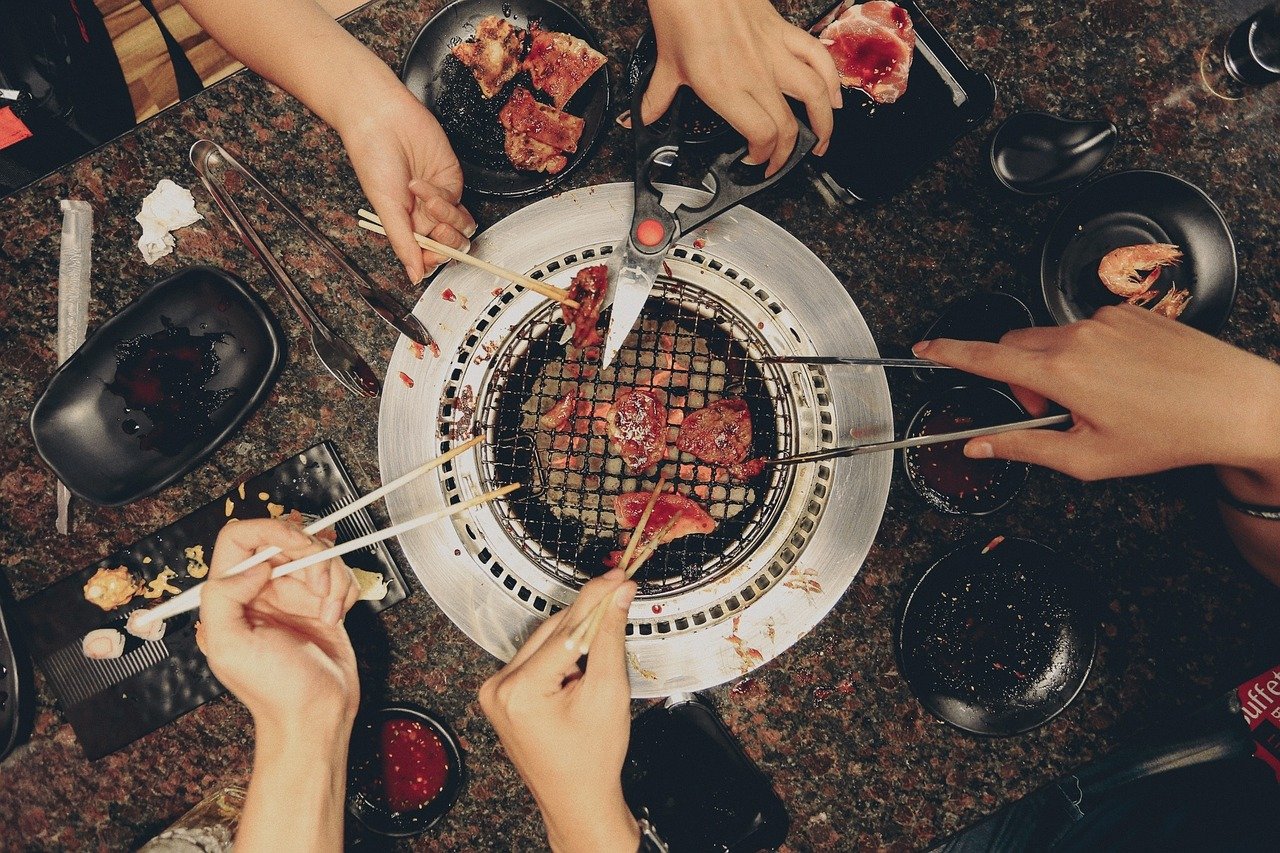
For many children, sitting at the table is quite a difficult thing. They are just playing nicely, you shout that the food is on the table. Indicate in time that you are about to eat. This way children not only know that they still have some time to continue what they were doing, but also that it is almost over. And so the eating moment can start in a relaxed way for everyone.
Another great way to prepare your kids for dinner time is to involve them in the choice of the menu or the cooking itself. Have them wash vegetables, peel an egg, help beat and stir, decorate dessert or ask your toddler to ‘bake sandwiches’ in the oven of his own play kitchen. What could be more fun than being able to eat your homemade meal yourself?
Why would you only decorate the table nicely on special days? Make it a party on normal weekdays too. And then let your kids help set the table. This is a lot more fun if they can dress things up a bit with colorful napkins, placemats, a few tea lights, and glasses decorated with window markers. And just as a festively set table is more inviting to eat, the way the food is served also makes a difference.
Topics that only you as adults can talk about don’t make it very interesting for children at the table. So make sure they can talk too. The questions ‘how was your day?’ or ‘how was school?’ usually provide the standard answers ‘good’ or ‘okay’. Regularly look up something else to talk about, by asking questions such as: What was the best thing you did today? Who made you laugh today? Or do a round of questions. One person takes turns asking a question to another person. So that everyone has a turn. Get to know your family more, you can see how they behave in a social environment and you can stay informed about what is going on in their lives. Spending time together as a family as regularly as possible can also signal changes in your children’s behavior. Having whole conversations with young children may still be difficult. Consider a game like ‘I see, I see what you don’t see’.
You and your partner are a team, together you ensure that it becomes and remains fun. Make sure you keep the focus on food and each other, without the distraction of appliances, of course. If a child needs a little extra attention, one of you will give it; the other continues the conversation. Small problems such as dawdling, playing with the food, or sliding the plate are best ‘ignored’ appropriately. Of course, there are also behaviors that are difficult to ignore, such as constantly leaving the table or bickering and wrangling with siblings. If this happens, tell your child to stop doing this right away and tell them what to do. It could also be that your little one is in the I-eat-nothing-because-I-want-nothing phase. This is very difficult and of course, you worry about this. But you can’t force anyone to eat. So avoid unsociable hassle at the table and resign yourself to it. It’s a phase and it will pass.
You probably know the feeling that you are hungry and want to eat something. When your mouth is dry, you want to quench your thirst. With hunger and thirst, your body shows you that it needs food and fluids. A person cannot survive without food and drink.
The body needs energy to play, think, work, and even sleep. The body gets this energy from the nutrients that the food contains. The most important nutrients are sugar and starch, fats and proteins, vitamins and minerals.
Water is also vital. Your body is made up of 70 percent water. Your cells, your brain, and your bloodstream all need lots of water. When breathing, sweating and using the toilet, the body excretes fluids. So it’s no wonder it’s important that you drink enough.
Gastro Esophageal Reflux Disease is that horrible feeling or heartburn you feel after you eat. This is common to people who eat to soon before going to bed. Make sure that you eat 2-3 hours before going to bed. Remember also not to take big meals before bed. Breakfast and lunch should be the bigger meal. During dinner, use a small plate and no speed and over eating. GERD can be caused by the reactions that take place with the foods we eat. If you suffer from GERD, here are some simple things you can do to manage your levels of stomach acid.

Moringa is a leafy plant that grows mostly on tropical countries. It is known to have many health benefits when eaten. It is a super green that can be added to any food and drinks. Here are some reasons why you should eat this leaves everyday:

The goal during the summer season is to beat the heat. How can we do this in terms of what foods and drinks we consume. Aside from engaging in too much activities it is also important to watch out what type of food and drink we consume. Here are some tips to what foods and drinks keep us hydrated.

Many foods and drinks can help make your skin flawlessly beautiful. Skin problems cannot only be treated by spot treatments, serums or skin moisturizers. The problem that comes up on our skin are mostly internal. Here are some foods and drink your dermatologist would recommend for your skin. Aside from giving us nourishment it actually provides us some sort of medical benefits.

Yogurt is healthy if it has active cultures. Research indicates that active yogurt cultures may lower blood cholesterol and help prevent some cancers. Yogurt cultures may also have antibiotic effects in the digestive tract.
Cultures should be active to be effective. Heat treating after culturing destroys live yogurt cultures. Many frozen yogurts and a few brands of refrigerated yogurts lose their cultures during such processing. Most yogurt products do contain live cultures, but the levels may not be uniform. Refrigerated or frozen yogurts must have at least 10 million cultures per gram throughout their shelf life.
Yogurt is a very good source of dairy protein., and is easily digested by persons with lactose intolerance. Compared to milk, ounce per ounce yogurt has 5 to 10 percent higher levels of Vitamin B12, riboflavin, calcium, phosphorus and potassium. Some may love or hate yogurt. One way to enjoy yogurt even non yogurt lovers can’t refuse is making it into yogurt smoothie.

This article covers the fundamentals of mobile advertising and some information that could be put together to demonstrate how significant learning technology could improve your mobile organization. E-Marketing has surfaced primarily due to the World Wide Web and has enabled food truck sellers to invest any cash in their advertising and marketing budgets. Food trucks offer convenience like no other. There are instances when drivers might encounter delays due to battery corrosion or clogged fuel filters, you can contact truck towing services like Towing San Jose to help you bring your truck to your desired destination. You can find reliable towing services here – https://maps.app.goo.gl/4WC1K21NCeWVVibv7.
With immediate replies and comparatively lower costs of communication, mobile phones are altering the face of the advertising world. Listed below are six attributes unique to mobile telephones, highlighting the specific advantages and challenges of the cell phone.
Creating content like video or images for compact mobile devices is comparatively cheap. This cellular efficacy can also be ideal for promotions, like issuing coupons to your food truck. Promotional coupons and codes could be relayed to the audience through mobile devices, enabling customers to ‘carry’ around the digital info and utilize it at a convenient moment.
That has a fantastic idea in action, cellular campaigns may prove more suitable than conventional websites. This is because the material is kept down to a minimum and also the programs are elastic.
Another benefit of mobile advertising is that it makes relationship-building possible. Mobile telephones are personal and comparatively stable. As a result of this, they let a much more personalized approach. It is possible to get feedback immediately, resulting in a valuable two-way talk with your clients.
Mobile devices can replace the wallet since it’s a comparatively secure payment apparatus. In other words, the consumer does not need to take around a lot of money, you may pay via innovative mobile systems.
Marketing is turning into a mixture of science and art with improvements in technology. At the same time mobile advertising still needs a good time. Additionally, there must be imagination to make a relevant and psychological link between the mobile user and your brand.
When you’re emotionally sensitive, eat Magnesium rich foods like spinach and whole grains and foods with Omega-3 fatty acids. These foods will steady your nerves. Gourmet foods such as cheese, lobster, beef and good wine will heighten your senses. Fresh fruits and vegetables can also help you insulate from stress. When progesterone in women peaks, the bowel slows down. High fiber foods will help ease this discomfort. Foods like brown rice, fruits and vegetables and fresh fruit and vegetable juice are very rich in fiber. Pairing your favorite foods rich in carbohydrates with protein will stabilize your blood sugar.
There’s a surprising statistics we think every person should know in case your feeling guilty about your last junk-food fest. If you do not always eat the recommended amount of fruits and vegetables daily, you’re not alone. Only about 12% of Americans follow the recommended dietary guideline which have been recently updated.

Here’s a good suggestion of meals that will deliver the needed nutrients your body needs most.
Fill up on fruits and vegetables.
Eat 5-13 servings a day (Up from 5-9). This is important because they’re packed with vitamins and minerals you may be skimping on. They are also rich in the fiber that lowers your risk of heart disease and diabetes. These foods also prevent constipation. Some studies even suggest that meals heavy on produce can help you lose weight because the sheer volume satisfies with fewer calories. They may also help ward of colorectal, lung, stomach and other cancers. The right amount for you depends on your calorie needs. A moderately active woman in her 30s needs about 2000 calories a day, 4 daily servings of fruit and 5 of vegetables, and 20to 30 grams of fiber.
A study has proven that drinking tea is good for the body. Aside from its cleansing and rejuvenating effects, tea is a rich source of antioxidants in the average diet. It accounts for about 36 percent of the total intake.

Adding some flavors like a sluice of lemon, milk or honey does not reduce the absorption of these compounds. These compounds are widely believed to play a role in protecting against heart diseases and cancer. The Green tea and black tea are know to have more potent antioxidants. make it a habit to add tea in your daily diet.

Higher consumption of ultra-processed foods has repeatedly been associated with poorer health outcomes. A major umbrella review published by The BMJ found links with cardiometabolic disease, obesity, diabetes, mortality and several other outcomes. Yet a difficult scientific question remains: is industrial processing itself harmful, or are many of these products unhealthy because of what they contain and how easily they are eaten?
Researchers increasingly want to separate these explanations. A packaged food can be classified as highly processed because of how it is manufactured, while also being high in calories, sodium, refined starch or added sugars. Those characteristics often occur together, making it difficult to identify which factor contributes most to long-term risk.
One explanation focuses on nutritional composition. Many packaged snacks, sweetened drinks, desserts and convenience meals deliver large amounts of energy while providing relatively little fiber. Some also contain substantial sodium, added sugar or saturated fat.
These are already familiar concerns in nutrition science. Diets high in sodium can raise blood pressure in susceptible people, while excessive calorie intake can contribute to weight gain. This raises the possibility that at least part of the association attributed to processing reflects conventional nutritional problems rather than a unique effect from industrial production.
Processing can also change a food’s physical structure. Softer foods may require less chewing and can sometimes be consumed faster. That matters because eating speed can affect how much food is consumed before signals of fullness become strong.
A 2026 randomized crossover trial reported in the American Journal of Clinical Nutrition tested two ultra-processed diets designed to produce different eating speeds. Participants consumed about 369 fewer calories per day when the foods had textures that encouraged slower eating, even though both diets remained classified as ultra-processed.
The result suggests that texture and eating rate may help explain why some products encourage greater energy intake. It also shows why placing every item in one broad category can hide important differences.
NOVA classification draws attention to industrial formulations that can include refined food substances and additives used for flavor, texture, appearance and stability. Researchers continue investigating whether specific additives or combinations of ingredients have biological effects that cannot be explained by calories or traditional nutrient measures alone. The Food and Agriculture Organization of the United Nations describes these manufacturing characteristics as central to the NOVA concept.
Evidence is still developing, however. Observational studies can reveal patterns across large populations, but they cannot easily separate processing from income, lifestyle, overall diet quality and other factors.
A landmark feeding trial conducted by researchers at the National Institutes of Health gave participants either ultra-processed or minimally processed diets. People consumed more calories and gained weight during the ultra-processed phase. That experiment strengthened the argument that food characteristics can affect eating behavior, but it did not reveal one single mechanism responsible for the difference.
Newer studies are therefore testing specific possibilities such as texture, eating speed and energy density. This mechanism-focused approach can help scientists move beyond asking whether ultra-processed diets are associated with poor health and toward understanding why.
Consumers do not need to wait for every scientific question to be resolved. A practical approach is to judge foods using several signals rather than treating processing level as the only measure.
The scientific debate is increasingly becoming less about whether processing matters and more about which features matter most. The answer may eventually involve several mechanisms working together. Until then, processing is useful information, but it is best considered alongside ingredients, nutrients and the overall quality of a person’s diet.
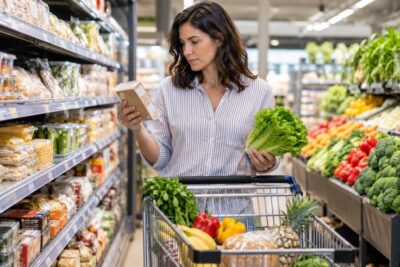 U.S. regulators are still working toward a common definition of ultra-processed food in 2026. The U.S. Food and Drug Administration says it is analyzing research and public comments with the U.S. Department of Agriculture after the agencies requested information on the issue in 2025. A federal definition could eventually shape nutrition research, public policy and consumer information.
The difficulty starts with a simple question: what makes a food ultra-processed? There is no single ingredient, manufacturing technique or nutritional threshold that answers it. Foods sold under the same broad category can have very different amounts of sugar, sodium, fiber, protein and other nutrients.
Much of today’s research uses NOVA, a system developed by nutrition researchers and recognized in work published by the Food and Agriculture Organization of the United Nations. NOVA groups food according to the extent and purpose of processing rather than judging it only by nutrient content.
Under this approach, minimally processed foods include items such as fruit, vegetables, milk and fresh meat. Processed culinary ingredients include oil, sugar and salt. Processed foods combine these categories in relatively simple ways. Ultra-processed products are generally industrial formulations made with refined food substances and, often, additives designed to change taste, texture, appearance or shelf life.
Not necessarily. Ingredient count can provide clues, but it is an imperfect shortcut. A product may contain several ingredients for fortification, preservation or practical manufacturing reasons without having the same nutritional profile as a sugary drink or confectionery product.
This is one reason classification remains controversial. Research summarized by The BMJ found that different categories placed under the ultra-processed umbrella do not always show identical health associations. Some breads, cereals and yogurt products, for example, can differ substantially from sweets, processed meats and soft drinks in their nutritional characteristics.
A large 2024 umbrella review published in The BMJ examined 45 pooled analyses involving nearly 10 million participants. Greater consumption was associated with numerous adverse outcomes, including cardiovascular disease, type 2 diabetes, obesity and higher mortality. However, the quality of evidence varied, and much of it came from observational research.
Experimental evidence offers another clue. A controlled feeding study led by researchers at the National Institutes of Health found that people eating an ultra-processed diet consumed more calories and gained weight compared with those given a minimally processed diet. The study demonstrated an effect under controlled conditions, although it did not establish which individual characteristics of the foods produced that response.
The FDA says a uniform definition would make research and government policies more consistent. Without one, studies may classify foods differently, making results harder to compare. Regulators also need clear criteria before processing could realistically influence labeling, dietary programs or other policies.
A widely accepted definition could also influence manufacturers. Companies might reformulate products if certain processing methods or ingredients become part of nutrition guidance or disclosure rules. For consumers, however, the debate is a reminder that food quality cannot always be determined by processing alone. Nutrient content, portions and the overall eating pattern still matter.
Ultra-processed food may sound like a simple category. Scientifically and legally, it is anything but simple. The work underway in 2026 could determine whether the term becomes a practical regulatory tool or remains mainly a way for researchers to study modern diets.
Food safety is often associated with fresh ingredients, proper refrigeration, and correct cooking temperatures. While these factors are essential, they represent only part of the equation. A meal can still be compromised if it is prepared in an environment that is not properly cleaned and sanitized. This is why professional cleaners like Cleansy home cleaning play an important role in maintaining hygienic food environments.
Their work extends well beyond making spaces look neat and organized. Whether working in restaurants, commercial kitchens, food processing facilities, schools, hospitals, or residential homes, professional cleaners contribute to healthier spaces that support food safety from preparation to serving.
Every kitchen contains multiple surfaces and tools that come into contact with food throughout the day. Cutting boards, countertops, sinks, refrigerators, shelving, and preparation tables all require regular cleaning to reduce the buildup of dirt, grease, and microorganisms.
Food particles left behind after meal preparation can encourage bacterial growth if they are not removed promptly. Moist environments around sinks and drains may also create favorable conditions for mold and other microbes.
Every experienced cleaner know that the true importance of maintaining hygiene and the requirements to achieve it. They use systematic cleaning procedures designed to remove both visible dirt and microscopic contaminants from surfaces throughout the kitchen. Routine professional cleaning helps maintain sanitary conditions by focusing on:
By addressing these critical areas consistently, professional cleaning supports safer food handling practices and helps maintain high standards of cleanliness.

One of the greatest risks in food preparation is cross-contamination. Harmful bacteria can spread from raw foods, dirty equipment, or contaminated surfaces to ready-to-eat foods if proper cleaning procedures are not followed.
Professional cleaners help minimize this risk by ensuring that work surfaces are thoroughly cleaned and sanitized between uses. Their cleaning routines often involve separating cleaning tasks according to different areas and following established hygiene protocols. Particular attention is given to high-contact surfaces that may otherwise be overlooked, including:
Keeping these surfaces clean reduces opportunities for microorganisms to transfer from one location to another.
In commercial food environments, effective cleaning also supports compliance with food safety regulations and sanitation standards designed to protect public health.
Visible cleanliness does not always indicate a hygienic environment. Grease buildup behind appliances, dust inside ventilation systems, and residue beneath heavy equipment can remain unnoticed during everyday cleaning routines.
Professional cleaners often perform deep cleaning services that target areas not easily reached during daily maintenance. These tasks may include cleaning behind kitchen appliances, degreasing exhaust systems, sanitizing storage areas, and removing accumulated dirt from difficult-to-access spaces.
Specialized cleaning equipment also improves cleaning effectiveness. High-efficiency vacuums, steam cleaners, microfiber cloths, and commercial-grade sanitation tools help remove fine particles, allergens, and bacteria more thoroughly than standard household equipment.
By combining proper techniques with specialized tools, professional cleaners help maintain cleaner environments that support long-term food safety.
The importance of hygienic cleaning extends beyond restaurants. Residential kitchens also benefit from professional cleaning, particularly in households where meals are prepared frequently or where young children, older adults, or individuals with weakened immune systems live.
In commercial settings, the stakes are even higher. Restaurants, cafeterias, hotels, hospitals, bakeries, and food manufacturing facilities prepare meals for large numbers of people every day. Maintaining strict sanitation standards helps reduce health risks while supporting customer confidence.
Professional cleaning is most effective when combined with good hygiene practices throughout the food preparation process. Kitchen staff, homeowners, and food handlers all play important roles in maintaining sanitary conditions between scheduled cleaning visits.
Simple habits such as washing hands regularly, cleaning spills immediately, storing food properly, and separating raw and cooked ingredients complement the work performed by professional cleaners.
Regular cleaning schedules also encourage consistency. Rather than allowing grease, dirt, and bacteria to accumulate over time, routine maintenance keeps kitchens operating at a consistently high level of cleanliness.
As food safety standards continue to evolve, many organizations recognize that investing in professional cleaning is not simply about appearance—it is part of a comprehensive approach to public health and quality assurance.
Food hygiene and safety starts long before the ingredients are prepared, cooked, and served on a plate. A clean preparation environment provides the foundation for safe cooking, proper storage, and responsible food handling.
Professional cleaners play a vital role in maintaining these environments by removing grease, bacteria, allergens, and hidden contaminants that everyday cleaning may miss. Through structured sanitation procedures, deep cleaning techniques, and attention to high-risk areas, they help reduce the likelihood of cross-contamination and support healthier kitchens.

India’s Food Safety and Standards Authority (FSSAI) has intensified enforcement against food and beverage products carrying misleading labels, drawing attention to several popular energy drink brands, including products associated with Red Bull and PepsiCo. The move reflects growing concern about how marketing claims influence purchasing decisions and whether consumers receive clear, accurate information about what they are drinking.
The latest scrutiny has also renewed discussion around energy drink regulation in India, particularly as authorities examine promotional claims related to energy, performance, and nutrition. Reports from FSSAI indicate that labels and advertisements must comply with food safety standards and avoid statements that could mislead buyers. Consumer advocates argue that stronger oversight helps people make informed choices, especially when products contain significant amounts of caffeine or sugar.
FSSAI has increased inspections and compliance checks across packaged food and beverage categories. Several manufacturers have received notices over labeling practices, ingredient declarations, and marketing language that may exaggerate product benefits or fail to meet regulatory requirements. The objective is to improve transparency rather than discourage legitimate product innovation.
Research shows that labels strongly influence consumer behavior. Findings from the World Health Organization (WHO) suggest that health-related claims can shape perceptions even when shoppers spend only a few seconds comparing products. Clear labeling helps consumers understand caffeine content, added sugars, serving sizes, and recommended consumption limits before making a purchase.
Energy drinks are widely consumed by students, professionals, athletes, and shift workers seeking a quick boost. While moderate caffeine intake is considered safe for many healthy adults, excessive consumption may increase the risk of elevated heart rate, sleep disruption, anxiety, and temporary increases in blood pressure.
Studies published by the European Food Safety Authority (EFSA) and guidance from the U.S. Food and Drug Administration (FDA) highlight that caffeine affects individuals differently depending on age, body weight, existing medical conditions, and total daily intake from coffee, tea, soft drinks, and supplements. Mixing highly caffeinated beverages with alcohol can further increase health risks because feelings of fatigue may be masked.
Experts note that high sugar levels present another concern. Reports from the World Health Organization (WHO) encourage reducing free sugar consumption to lower the long-term risk of obesity, type 2 diabetes, and tooth decay. Sugar-free versions may reduce calorie intake, although consumers should still pay attention to caffeine levels and serving sizes.
Greater transparency begins with reading the nutrition panel instead of relying solely on marketing messages. Consumers should compare caffeine content, check sugar levels, review ingredient lists, and follow serving recommendations. Parents should also be aware that highly caffeinated beverages are generally not recommended for children or adolescents.
Greater regulatory oversight is likely to encourage more accurate labeling across the beverage industry. Data indicates that consumers increasingly value honesty and transparency, rewarding companies that communicate ingredients and health information clearly. As regulators continue reviewing product claims and manufacturers adapt to evolving standards, clearer labels can help people make safer decisions while strengthening confidence in the products they choose.

Cyproheptadine, an antihistamine first introduced in the 1960s, is widely recognized for its side effect of stimulating appetite. This property has led to its use in formulations like GML apeti tablets, which are marketed as a way to help individuals eat more by naturally boosting hunger. But increasing appetite is only part of the story. The real question is whether this heightened hunger can be directed toward healthier, more balanced eating habits.
For people who struggle with small meal sizes or lack of appetite, these tablets may seem like a convenient solution. By encouraging the body to feel hungrier, they can make eating more appealing. However, appetite stimulants do not discriminate between nutrient-rich foods and calorie-dense snacks. This means that while they may help someone consume more calories, the quality of those calories depends entirely on the choices made at the table.
Cyproheptadine works by blocking serotonin receptors in the brain. Serotonin plays a role in regulating satiety, so when its action is reduced, the sensation of fullness is delayed. This mechanism explains why people taking appetite stimulants often feel hungrier and eat more frequently. For individuals recovering from illness, or those with conditions that suppress appetite, this can be beneficial. Yet, without mindful eating, the increased hunger can lead to overeating foods that are high in sugar, fat, or empty calories.
Boosting appetite can be an opportunity to improve nutrition if paired with the right foods. Here are some practical ways to channel increased hunger into balanced eating. Exploring AI-powered recipes can also inspire healthier meal planning, making it easier to turn increased hunger into nutrient-rich gains:
By aligning increased appetite with nutrient-dense foods, individuals can turn what might otherwise be a risk of overeating into a tool for balanced growth and energy.
While appetite stimulants can be useful, they are not suitable for everyone. People with certain medical conditions, such as diabetes or metabolic disorders, need to be cautious. A sudden increase in calorie intake can affect blood sugar levels or weight management goals. Additionally, cyproheptadine may cause drowsiness, which can interfere with daily activities. Consulting a healthcare provider before using appetite stimulants is essential, especially for those already following a specific diet plan.
Another consideration is the psychological aspect of eating. Hunger cues can become stronger, but without mindful eating practices, individuals may fall into patterns of emotional or excessive eating. Pairing appetite stimulants with structured meal planning can help ensure that the extra calories contribute to health rather than imbalance.
For athletes, patients recovering from illness, or individuals aiming to gain weight in a controlled manner, appetite stimulants can be a supportive tool. The key lies in directing the increased hunger toward foods that enhance strength, immunity, and overall wellness. For example, someone who previously struggled to finish a plate of food might now be able to enjoy a balanced meal of grilled chicken, roasted vegetables, and quinoa. Over time, this can lead to healthier weight gain and improved energy levels.
However, the tablets are not a shortcut to better nutrition. They simply open the door to eating more. The responsibility of choosing what to eat remains with the individual. Without discipline, the extra appetite can easily lead to fast food binges or sugary snacks, undermining the potential benefits.
READ our feature, Eating Healthy: Protein Eating for more about Smart Eating.
Appetite stimulants like GML apeti tablets highlight the complex relationship between hunger and diet. They can encourage larger meals and more frequent eating, but the nutritional value of those meals depends on conscious choices. When paired with nutrient-dense foods, increased appetite can support healthy weight gain and improved vitality. Used carelessly, it can lead to poor eating habits and unwanted health consequences. The smartest approach is to treat appetite stimulants as a tool, not a solution, and to combine them with balanced, mindful eating for the best results.

More than 3 billion people watched the 2018 FIFA World Cup, proving that live sports remain one of the most powerful shared experiences on the planet. Game day carries energy, tension, and joy. With the right setup at home, that same excitement can fill your living room. Add great food to the mix, and every match becomes a full-on foodie event.
Royal TV brings the action straight to your screen, whether you are following the NBA Finals or tuning in for EPL Broadcasting (EPL중계). Crisp visuals and reliable coverage set the stage. From there, it is all about creating flavors that match the pace of the game. A buzzer-beater deserves bold bites. A slow, tactical football showdown calls for snacks you can enjoy without missing a key pass.
Basketball nights call for hands-on food. Think classic buffalo wings inspired by the craze that fills arenas when stars like Stephen Curry light up the scoreboard. If you’re curious about how athletes fuel their performance and how that influences better game-day food choices at home, check out this guide on nutritional tips for basketball players. Serve the wings with carrot sticks and a simple dip. Add loaded nachos with melted cheese, jalapeños, and ground beef for a tray that disappears before halftime.
For football matches, especially intense clashes between clubs such as Manchester United and Liverpool, finger foods work best. Sliders, mini hotdogs, and crispy fries are easy to grab during corner kicks and penalty moments. A platter of sausages with mustard and ketchup also keeps guests satisfied through extra time.
If you prefer lighter options, try popcorn seasoned with paprika or garlic powder. Veggie sticks with hummus offer crunch without the guilt. Even a simple cheese board with crackers can feel special when arranged neatly. Presentation matters. Use team-colored napkins or plates to add flair without spending much.
Fast-paced games need refreshing drinks. Ice-cold beer remains a classic choice for NBA and football nights. Local craft brews are budget-friendly and easy to find. If you are hosting a Sunday football viewing with friends, chilled lagers pair well with salty snacks.
For a more relaxed match, sparkling lemonade or iced tea keeps things light. You can also create a simple mocktail with soda water, fresh lime, and mint. It feels festive without being complicated. During high-stakes fixtures streamed via EPL Broadcasting, having a signature drink adds personality to your watch party.
Keep hydration in mind. Set up a small drink station so guests can refill quickly and get back to the screen. Clear labels and a bucket of ice make everything feel organized.
 Sports connect people. Even if you start alone, you can build a small circle around big games. Invite a few friends over for rivalry matches. Ask each guest to bring a snack representing their favorite team’s city. It sparks conversation and keeps costs low.
Create simple traditions. Predict the final score before kickoff. Offer a small prize, like the last slice of pizza, to whoever guesses closest. Share reactions on social media during halftime. Group chats also keep distant friends involved.
Watching major tournaments together builds memories. Think of the roar that filled homes when France lifted the trophy in 2018 under coach Didier Deschamps. Those shared cheers feel just as strong in a cozy living room.
Hosting does not have to be expensive. Plan your menu around two or three core dishes. Buy ingredients in bulk where possible. Frozen wings and fries often cost less and taste great when baked properly.
Set up a self-serve snack table instead of plating individual portions. It saves time and reduces waste. Reusable cups and plates cut down on extra expenses. If you are planning for a highly anticipated fixture through EPL Broadcasting, prepare food ahead of kickoff so you can focus on the match.
Lighting also shapes the mood. Dim the main lights and let the glow of the TV create a stadium feel. Rearrange furniture for clear viewing angles. Comfort keeps guests engaged through overtime and added minutes.
Game day at home blends competition and comfort. With Royal TV as your viewing hub, every pass, dunk, and goal comes alive. Pair that action with easy snacks, refreshing drinks, and good company, and your living room turns into the best seat in the house.
From NBA thrillers to intense EPL Broadcasting showdowns, the right flavors elevate the experience. Keep it simple, stay organized, and focus on fun. When the final whistle blows, it will not just be about who won. It will be about the laughter, the shared cheers, and the plates wiped clean.

Maintaining the right temperature and air quality in your kitchen directly affects cooking performance and food safety. For chefs and home cooks alike, an optimal indoor climate can make the difference between a great meal and a ruined dish. Proper heating, cooling, and ventilation control the environment, helping preserve ingredients, regulate humidity, and maintain consistent cooking conditions.
Consulting professionals like BPM HVAC Frederick, Maryland ensures your kitchen benefits from expertly installed systems. HVAC systems designed for kitchens manage heat from stoves and ovens, remove excess moisture, and circulate clean air. Without them, your workspace can become uncomfortable, dangerous, and inefficient.
Consistent temperature is crucial for precise cooking. High heat from multiple burners can quickly make a kitchen unbearable, leading to slower work and mistakes. Cooling systems regulate these spikes, keeping the environment comfortable and allowing chefs to focus. Sensitive dishes, such as delicate sauces or baked goods, perform better when ambient temperature is stable.
Ventilation removes smoke, odors, and airborne particles. Proper airflow reduces the risk of grease buildup, prevents lingering smells, and keeps the air safe to breathe. Good ventilation also lowers humidity, which helps prevent mold and bacteria growth in food storage areas. Kitchen HVAC systems often include advanced filters that trap dust and contaminants, improving overall indoor air quality.
Humidity levels directly impact ingredient shelf life. Excess moisture can make bread soggy and vegetables spoil faster. Dry air can cause herbs and spices to lose potency. HVAC systems allow precise control of humidity, ensuring perishable ingredients last longer and retain their flavor. This control is especially valuable in professional kitchens that handle large volumes of fresh produce daily.
Modern HVAC systems are designed to be energy-efficient. By maintaining optimal temperature and airflow, kitchens consume less energy on cooling and heating. This not only reduces utility bills but also lowers the kitchen’s environmental footprint. Choosing systems with programmable settings allows owners to adjust climate based on activity levels, further conserving energy.
Overheated or poorly ventilated kitchens increase safety risks. Excess heat can lead to burns or heat exhaustion. Poor airflow can concentrate smoke and fumes, posing respiratory hazards. Installing a professional HVAC system ensures these risks are minimized. It keeps workspaces safe for all staff while maintaining ideal cooking conditions.
Cooking can be physically demanding. Proper climate control improves comfort for chefs and home cooks during long meal preparations. Cool, well-circulated air reduces fatigue, while consistent temperatures prevent sudden drops that could affect delicate recipes. HVAC systems provide a balance that allows focus, creativity, and efficiency in the kitchen. For more insights on improving efficiency and reducing waste while cooking, you can read this guide on cooking delicious meals for the household with minimum kitchen waste.
Not every HVAC system fits every kitchen. A small home kitchen has different requirements than a large professional setup. Consulting with experts like BPM HVAC helps identify the correct system size, placement, and features. Proper installation ensures the system works efficiently, providing reliable climate control that supports both cooking performance and food safety.
Maintaining the perfect indoor climate is essential for culinary excellence. With the right HVAC system, kitchens remain safe, comfortable, and efficient. From temperature control to ventilation, humidity management, and energy savings, a professional solution such as BPM HVAC in Frederick, Maryland provides the reliability every chef and home cook needs. Investing in proper climate control transforms any kitchen into a space where food can truly shine.
 Studies show that 8 out of 10 home cooks search for recipes online before preparing a meal. This shift from printed cookbooks and handwritten notes to digital platforms has transformed kitchens into hubs of creativity. With recipe directories becoming increasingly popular, finding a trustworthy and clutter-free source has never been more critical.
Curated recipe directories stand out because they organize cooking content with care and precision. Just as safe and organized link hubs like the Address Collection service by Joojoojoo (source: 주소모음) offer reliable web navigation, recipe platforms guide users to quality cooking resources without overwhelming them. Instead of scrolling through countless ads or questionable instructions, users get a clear path to trusted dishes, authentic sources, and step-by-step guidance.
Gone are the days when recipe discovery meant flipping through bulky cookbooks. Today, a few clicks can bring up hundreds of results, from family classics to trending fusion dishes. What makes curated directories different is their focus on quality over quantity. They filter out the noise, ensuring only accurate, well-reviewed recipes reach the user.
Curation in recipe directories works much like an editor in a magazine. The platform ensures that every listed recipe is worth the reader’s time. This means checking for clear instructions, realistic cooking times, and ingredient lists that match the dish. By doing so, directories help reduce the frustration of following poorly written or incomplete recipes.
Trust plays a major role in why home cooks return to certain recipe directories. Just as people avoid shady websites for news or shopping, they want cooking instructions from sources that have proven themselves. Platforms that maintain transparency about their recipe sources, nutrition facts, and user reviews build loyal communities of food lovers.
One of the biggest frustrations with random recipe searches is digital clutter. Many sites load recipes with pop-ups, autoplay videos, and endless ads that make it difficult to focus. A well-structured recipe directory removes these distractions. Instead, it prioritizes a clean interface, easy navigation, and quick access to important information like cooking time and serving size.
Curated recipe platforms can serve as learning tools for new cooks and advanced chefs alike. Beginners benefit from simple, step-by-step instructions, while experienced cooks appreciate finding authentic global recipes or creative twists on classics. Exploring new tools and appliances can make this journey even more exciting, as seen in trying new kitchen gadgets that enhance efficiency and creativity in the kitchen. With built-in filters for difficulty level, ingredient type, or dietary needs, users can personalize their cooking journey.
Cooking is more than a task; it’s a shared experience. Many recipe directories include community features where users can comment, rate, or share their own variations. This exchange of ideas keeps cooking fresh and dynamic. It also builds a sense of belonging, as people connect over shared tastes and kitchen adventures.
As technology evolves, so will the way we discover and follow recipes. Artificial intelligence is already helping recommend recipes based on past choices or available ingredients. Integration with smart kitchen devices could allow step-by-step guidance on a screen right next to the stove. The goal will remain the same: making cooking simpler, more enjoyable, and accessible for everyone.
Recipe directories are quietly changing the way we approach cooking at home. They combine the best parts of traditional cooking knowledge with modern convenience. By keeping content trustworthy, organized, and clutter-free, they make it easy for anyone to click, cook, and enjoy a great meal.
Many individuals and businesses focus on profile growth. This involves several layers of approach encompassing content creation, audience engagement, and strategic outreach. The aim is often to increase visibility, attract a relevant audience, and foster a thriving online community. Various tactics are employed to enhance social media exposure, with the ultimate goal of establishing a strong and influential presence. Building a strong online profile takes time and effort. Just as nurturing a healthy online presence requires attention and care, so does maintaining our physical well-being.
Acid reflux is a very common condition that happens when the stomach acid moves back to the esophagus. Because of this backflow, it causes irritation to the esophagus lining, resulting to that burning sensation felt in the chest, which as we know, as heartburn. Understanding the dietary factors that contribute to acid reflux is crucial for managing this uncomfortable condition. Certain foods have been identified as common culprits that can trigger or worsen acid reflux symptoms.
Fatty and fried foods can be particularly problematic for individuals prone to acid reflux, with some common examples include:
In addition, you may be surprised that tomatoes and tomato-based products, like tomato sauce and ketchup, are also acidic and can trigger symptoms in many people. These foods tend to stay in the stomach longer, leading to increased stomach pressure and a higher likelihood of acid backing up.
Spicy foods contain compounds that can relax the lower esophageal sphincter, the muscle that prevents stomach acid from flowing back into the esophagus. This relaxation allows stomach acid to easily enter the esophagus, leading to discomfort.
A simple approach in relieving this irritation is by eating chocolates. Chocolates do contain methylxanthines that are very capable of lowering esophageal sphincter.
Carbonated beverages can introduce extra air into the stomach, increasing pressure and potentially forcing acid upward. Caffeine, found in coffee, tea, and some sodas, can also contribute to acid reflux by increasing stomach acid production. Onions and garlic, while flavorful additions to many dishes, can be triggers for some individuals due to compounds that can irritate the digestive system.

Making mindful choices about the foods we consume can significantly impact the frequency and severity of acid reflux episodes. Identifying personal trigger foods through careful observation and dietary adjustments is a key step in managing this condition effectively. Paying attention to portion sizes and avoiding large meals, especially close to bedtime, can further aid in preventing acid reflux.
Opting for lean proteins, whole grains, and non-acidic fruits and vegetables can be beneficial. Preparing foods in healthier ways, such as baking or grilling instead of frying, can also help reduce the likelihood of symptoms.
Staying hydrated by drinking plenty of water is generally recommended. Eating meals at a slower pace and allowing sufficient time for digestion before lying down can also make a positive difference.
Rising cost of coffee reflects broader economic pressures including climate change impacts, supply chain disruptions, and increased demand from emerging markets that compete for limited high-quality coffee production. Just as how many homeowners these days invest in materials and craftmanship for their awning systems. An awning made from premium fabrics with motorized controls and weather sensors costs significantly more than basic fixed coverings. However, such investment provides long-term value through enhanced functionality and reduced maintenance requirements.
Global warming and changing weather patterns significantly affect coffee-growing regions worldwide. As a result, this reduces yields and compromising bean quality in traditional cultivation areas. Extreme weather events including droughts, floods, and temperature fluctuations damage coffee crops and force farmers to implement expensive adaptation strategies or relocate production to higher altitudes.
Reduction in suitable growing areas increases competition for quality coffee beans while driving up prices throughout the supply chain as roasters and retailers compete for limited premium harvests.
International shipping delays, container shortages, and increased freight costs have significantly impacted coffee importation and distribution networks. Labor shortages in coffee-producing regions also have an impact. Due to migration patterns and economic changes, it resulted to increased harvesting cost while reducing processing efficiency.
Currency fluctuations between producing and consuming countries also affect coffee pricing. This is because farmers and exporters face volatile exchange rates that impact profitability. Processing and transportation infrastructure improvements require significant investment. This reflects in seeing higher coffee prices as industry participants seek to maintain profit margins while upgrading their operations.

Consumer preferences have shifted toward specialty coffee products that emphasize origin, processing methods, and sustainable farming practices. Believe it or not, such coffee products are the ones that have higher command for premium prices compared to commodity coffee.
Third-wave coffee culture emphasizes artisanal roasting, single-origin beans, and direct trade relationships. It has effectively bypassed traditional commodity markets and support higher prices for quality products. Specialty coffee shops and home brewing enthusiasts drive demand for premium beans justifying higher prices through superior flavor profiles and ethical sourcing practices.
The growth of coffee subscription services and direct-to-consumer marketing also enables producers and roasters to capture more value while building customer relationships that support premium pricing strategies.
Natural plant compounds have been used for centuries in food and beverages. From herbal teas to functional drinks, these ingredients offer both flavor and potential health benefits. Modern food science continues to explore how these compounds interact with the human body and enhance everyday nutrition.
One growing area of interest is the use of botanical extracts in wellness-focused products. For example, Budpop’s THCa cart highlights how plant-based compounds are making their way into food and beverage innovations. As consumers look for natural alternatives, companies are embracing these extracts to create unique and functional products.
 Plant-based compounds refer to naturally occurring substances found in fruits, vegetables, herbs, and other botanicals. These include flavonoids, polyphenols, alkaloids, and terpenes. Many of these compounds have antioxidant and anti-inflammatory properties, making them valuable additions to food and beverages.
Herbal infusions have been part of traditional medicine for centuries. Today, they are found in teas, flavored waters, and even cocktails. Popular herbs like chamomile, peppermint, and ginseng are known for their calming and energizing effects.
When using plant-based compounds, balance is key. The right combination enhances taste while providing potential wellness benefits. Too much of a strong botanical, like valerian root, can overpower a drink. Careful formulation ensures a pleasant and effective experience.
Functional beverages are drinks designed to offer more than just hydration. They include herbal teas, kombucha, and plant-based energy drinks. These beverages often contain ingredients like adaptogens, probiotics, and vitamins.
Adaptogens are natural substances that help the body adapt to stress. Popular adaptogens include ashwagandha, Rhodiola, and holy basil. They are commonly added to teas and smoothies to support relaxation and energy balance.
Fermented beverages like kombucha and kefir contain probiotics, which support gut health. These drinks help balance the digestive system and improve overall well-being.
Not all plant-based compounds are regulated the same way. Some, like caffeine and certain herbal extracts, have established safety guidelines. Others, such as CBD and THCa, fall into gray areas depending on location. It’s essential for consumers to research ingredients and ensure they comply with local laws.
The demand for natural and functional foods continues to grow. Food scientists and product developers are finding new ways to incorporate plant compounds into everyday products. As research expands, expect to see more innovative uses of botanicals in food and beverages.
Beyond beverages, plant-based compounds are shaping the way chefs create innovative dishes. Ingredients like turmeric, spirulina, and hibiscus add both vibrant colors and health benefits to meals. Edible flowers, such as lavender and nasturtium, elevate both the aesthetic and nutritional profile of gourmet foods.
Sustainability plays a crucial role in the growing popularity of plant-based ingredients. Ethical sourcing ensures that botanicals are harvested responsibly without harming the environment. Companies that focus on fair trade and organic farming help maintain biodiversity and promote sustainable agriculture.
READ ALSO: Sustainable Eating: The Rise of Plant-Based Diets
Plant-based compounds are shaping the future of food and drinks. They offer exciting possibilities for flavor, nutrition, and wellness. As interest in natural ingredients grows, these compounds will continue to influence the way we eat and drink. Whether through herbal infusions, functional beverages, or innovative cuisine, their impact is undeniable.
Plant-based diets are more popular than ever. Consumers are turning to plant-based alternatives as they seek healthier, more sustainable food options. Whether it’s plant-based meats or dairy alternatives, these products are now widely available in grocery stores and restaurants.
Adopting a plant-based diet can offer numerous health benefits, such as lowering cholesterol and reducing the risk of heart disease. Furthermore, plant-based foods have a lower environmental impact compared to traditional animal-based products, contributing to a greener planet.
As demand for plant-based options increases, food companies are innovating with new products and flavors. The market is expected to continue growing as more people embrace this way of eating, from meat substitutes to dairy-free cheeses.
Artificial intelligence is making its way into kitchens, offering personalized recipe suggestions based on dietary preferences, ingredients on hand, and even nutritional needs. Apps like Yummly and Whisk use AI to suggest dishes tailored to your specific tastes, revolutionizing meal planning and grocery shopping.
AI doesn’t just help with creating delicious meals; it’s also helping to reduce food waste. By tracking the ingredients in your fridge and expiration dates, these apps can suggest recipes that use items before they spoil, minimizing waste while maximizing flavor.
With the rise of smart kitchen appliances, AI could soon take over cooking completely. Voice-activated assistants and AI-driven cooking devices are already hitting the market, making it easier to prepare meals with precise timing and technique. The future kitchen could be fully automated, taking the guesswork out of gourmet cooking.
Are you an avid food lover with a passion for exploring new
culinary landscapes? Planning a culinary adventure can be an exhilarating experience, but packing for such a trip can often be a daunting task. The key to a successful journey lies in packing light, allowing you to fully immerse yourself in the flavors and culture of the destination. So, how can you fit your entire foodie wardrobe in a meager suitcase? Here’s a guide to help you plan your culinary adventure without sacrificing style or flavor.
If you love to cook and are planning a trip, you might be wondering how you can bring your essential cooking tools in a suitcase. While it can be a challenge to pack everything you need, it is definitely possible with some careful planning.
First and foremost, prioritize versatility. Choose clothing items that can be mixed and matched to create different outfits. Opt for lightweight, wrinkle-resistant fabrics that can be easily rolled or folded to maximize space. Consider taking essentials like a pair of comfortable walking shoes, a versatile jacket, and a small daypack for food market finds and culinary treasures.
When it comes to your foodie toolkit, simplicity is key. Resist the temptation to pack every kitchen gadget you own – instead, focus on compact essentials that can enhance your culinary experiences. Consider packing a few essential knives — Invest in a compact and lightweight knife set. A good quality chef’s knife, a paring knife, and a serrated knife should cover most of your cutting and slicing needs. Look for knives with protective covers or sheaths to avoid any mishaps in your suitcase. You also need a lightweight cutting board — Silicone or foldable cutting boards are a great option as they take up minimal space. These can be easily stored in a side pocket or wrapped in clothing to keep it safe and secure. Also, a compact spice kit. Lastly, a few essential cooking utensils such as a spatula, tongs, and a whisk. Opt for silicone or collapsible versions to save space. You can also consider bringing a small set of measuring spoons or a scale to ensure accurate measurements in your cooking.

Be mindful of the local cuisine and traditions of your destination. Research the local dining culture and customs to get an understanding of what types of clothing and accessories may be required or appropriate. If you plan on dining at Michelin-starred restaurants, a dressy outfit might be in order. On the other hand, if you plan on exploring street food markets, opt for casual and comfortable clothing to fully immerse yourself in the experience.
It is indeed possible to bring your essential cooking tools in a lightweight cabin suitcase to help you carry it. By investing in compact and lightweight versions of your favorite kitchen gadgets, you can enjoy preparing delicious meals even while on the go. So don’t let your love for cooking hold you back from exploring new places and embracing new culinary experiences.
By following these tips, you can plan your culinary adventure with ease and confidence. Remember, it’s not about the quantity of what you pack, but rather the quality of your experiences. So, pack light, savor every bite, and let the flavors of your culinary adventure take you on a journey you’ll never forget.

What basketball players eat plays a crucial role in their performance on the court. A balanced diet tailored to the demands of the sport can significantly impact energy levels, recovery, and overall health. Whether you’re a professional player or love shooting hoops in your free time, proper nutrition can take your game to the next level. For more tips on how to optimize your basketball performance, subscribe to MeritKing. After subscription, you may access the site through MeritKing Login (Meritking giris).
The meals you eat before a game provide the energy to perform at your best. A good pre-game meal should be rich in carbohydrates, moderate in protein, and low in fat. Carbohydrates are the body’s primary energy source, so it’s important to load up on foods like whole grains, fruits, and vegetables.
Example Meal: A bowl of whole-grain pasta with lean protein like chicken and a side of steamed vegetables is an excellent pre-game meal. Add a piece of fruit for a quick energy boost, and stay hydrated with water or a sports drink.
After a game, your body needs to recover and repair the muscles that were worked hard during play. Post-game meals should focus on replenishing glycogen stores with carbohydrates and repairing muscle tissue with protein. Eating within 30 minutes to an hour after the game optimizes recovery.
Example Meal: A smoothie made with a mix of fruits, protein powder, and a handful of spinach can provide a quick, nutrient-dense recovery meal. Pair it with a slice of whole-grain toast with almond butter for added carbs and healthy fats.
Staying hydrated is essential for basketball players on and off the court. Dehydration can decrease performance, cause muscle cramps, and even cause heat-related illnesses. Water is the best hydration source, but sports drinks can help replenish electrolytes lost through sweat during intense games or practices.
Tip: Make it a habit to drink water consistently throughout the day, not just during games. Carry a water bottle and take sips regularly to maintain optimal hydration levels.
Snacking is an important part of a basketball player’s diet, especially on game days. Small, nutrient-dense snacks can help maintain energy levels and prevent hunger from affecting performance. Look for snacks that combine carbohydrates and protein for sustained energy.
Example Snacks:
While focusing on specific pre- and post-game meals is important, maintaining a balanced diet overall is key to long-term success. This means eating various foods from all groups, including many fruits and vegetables, lean proteins, whole grains, and healthy fats.
Tip: Plan your meals and snacks ahead of time to ensure you’re meeting your nutritional needs. Consider working with a sports nutritionist to create a personalized meal plan that supports your training and performance goals.
READ ALSO: Foods To Help You Focus While Playing
Nutrition plays a crucial role in a basketball player’s performance, both on and off the court. By focusing on balanced meals, proper hydration, and strategic snacking, you can fuel your body for success. Whether playing in a competitive league or just for fun, these nutritional tips can help you perform at your best.
Plant-based diets are gaining popularity. A study from Harvard Medical School found that a diet rich in fruits, vegetables, and whole grains can reduce the risk of heart disease by 25%. It’s not just a trend; it’s a scientifically backed way to improve health.
Plant-based diets are rich in essential nutrients like fiber, vitamins, and antioxidants. These nutrients help lower blood pressure, reduce inflammation, and promote overall well-being. Plus, plant-based diets are lower in saturated fat, which can reduce the risk of chronic diseases.
Transitioning to a plant-based diet doesn’t have to be hard. Start by incorporating more fruits and vegetables into your meals. Gradually reduce meat and dairy intake and explore plant-based alternatives.
The health benefits of a plant-based diet are undeniable. Backed by science, this lifestyle change can lead to a healthier, longer life.

Sustainable eating is becoming a major trend in the food and drink industry, with plant-based diets leading the charge. Consumers are increasingly aware of the environmental impact of their food choices and are opting for plant-based alternatives to reduce their carbon footprint. This shift is driving innovation in the food industry, with new products like plant-based meats and dairy alternatives gaining popularity. Additionally, there’s a growing emphasis on locally sourced and organic foods, which support sustainable farming practices. As more people embrace sustainable eating, the food industry is evolving to meet the demand for eco-friendly options.

In the bustling world of modern cuisine on wheels, there’s a revolution happening, one that combines the culinary arts with the latest in technology and style. Tech-savvy food trucks have taken to the streets, wowing food enthusiasts with their gourmet offerings, and turning heads with their stylish car rims like MAK car rims (MAK Velgen). It’s a journey worth taking, as we delve into how these modern features are transforming the food and drink experience on the go.
Tech-savvy food trucks are the epitome of culinary innovation. These mobile kitchens are equipped with state-of-the-art equipment, allowing chefs to prepare restaurant-quality meals in compact spaces. Whether it’s a sizzling gourmet burger or a mouthwatering fusion dish, these food trucks deliver a culinary experience that rivals traditional brick-and-mortar restaurants. But what sets them apart is the infusion of cutting-edge technology.
Inside these compact culinary powerhouses, you’ll find a host of high-tech gadgets and appliances:
Tech-savvy food trucks are also all about customer convenience. Many have embraced smartphone apps, simplifying the ordering process for patrons. Here’s how it works:
One of the most convenient features of these tech-savvy food trucks is real-time location tracking. It’s an ingenious use of GPS technology. No more hunting down your favorite truck or wondering when it will arrive in your neighborhood. With a few taps on your smartphone, you can pinpoint the exact location of your preferred food truck. It’s like having a gourmet restaurant on wheels at your fingertips.
Now, while the culinary innovation and tech integration of these food trucks are impressive, there’s another aspect that’s been catching the eye of passersby: their stylish car rims. In particular, MAK Car Rims have become the latest trend, and they add a dash of flair to these roving eateries.
Stylish car rims not only make a visual impact but also serve as a conversation starter. Passersby are drawn in not just by the aroma of the food but also by the alluring look of the truck. It’s a testament to the fact that style and substance can go hand in hand.
READ ALSO: How Translation Services Elevate Your Food and Drink Adventures while Traveling
Tech-savvy food trucks have evolved from humble mobile eateries into sophisticated culinary powerhouses. These rolling restaurants combine gourmet cuisine, advanced kitchen technology, and the convenience of digital ordering. They’ve embraced MAK Car Rims, adding a touch of style to their on-the-go dining experience. So, the next time you’re out and about, keep an eye out for these innovative food trucks, where tech-savvy meets taste, and style is on display for all to see.

When embarking on culinary adventures around the globe, one of the most delightful aspects is discovering new and exotic dishes. From savoring aromatic street food to indulging in traditional delicacies, exploring the world’s diverse cuisine can be a truly immersive experience. However, navigating menus and conversing with locals can be challenging if you don’t speak the language. That’s where translation services (see naati 三级翻译) come to the rescue! In this article, we will explore how translation services can elevate your food and drink adventures while traveling, allowing you to relish every culinary moment without any language barriers.
Understanding Menus with Ease
Nothing compares to the excitement of stepping into a vibrant local eatery, only to be greeted with a menu written in a language you can’t decipher. The frustration of not knowing what culinary delights await can be disheartening. This is where professional translation services prove invaluable. By employing translation apps or services, travelers can seamlessly translate menus, ingredients, and dish descriptions. With clear translations at your fingertips, you can confidently order authentic dishes without hesitation, ensuring you truly savor the essence of local cuisine.
Cultural Insights and Etiquette
Delving into a new food culture goes beyond merely identifying dishes. It involves understanding the traditions, customs, and etiquette surrounding the act of eating. Many countries have unique dining rituals, such as using chopsticks, eating with hands, or sharing communal plates. Translation services can go beyond word-to-word translations and provide cultural insights, ensuring you avoid unintentional faux pas and enhance your dining experiences. Being aware of local customs allows you to immerse yourself fully and respect the culture of the places you visit.
Breaking the Language Barrier
The heart of any memorable travel experience lies in connecting with the locals. Engaging in conversations with restaurant staff, chefs, or fellow diners can lead to unforgettable encounters and an authentic understanding of a destination’s gastronomic identity. However, language barriers often hinder these connections. Translation services act as a bridge, enabling you to communicate effectively with locals, share stories, and gain valuable recommendations from those who know their cuisine best.
Discovering Hidden Gems
While popular restaurants may offer delicious meals, some of the best culinary experiences are often hidden in local gems, known only to residents. By utilizing translation services, you can inquire about these lesser-known eateries, explore off-the-beaten-path establishments, and taste the flavors that are cherished by locals. This can lead to extraordinary discoveries and a deeper appreciation of a destination’s culinary treasures.
Cooking Classes and Market Visits
For many travelers, learning to cook traditional dishes is an integral part of their culinary journey. Participating in cooking classes and visiting local markets provides an immersive experience, allowing you to understand the essence of local ingredients and cooking techniques. Translation services can make these experiences more enriching by helping you follow instructions, ask questions, and engage with instructors in their native language. This hands-on approach enhances your understanding of regional cuisines and empowers you to recreate these dishes back home.
Unraveling Secret Recipes
In some cultures, family recipes are passed down through generations, preserving the essence of a region’s culinary heritage. Unraveling these secret recipes can be a fascinating endeavor. Translation services can assist in translating old handwritten recipes or local cookbooks, revealing culinary treasures that might otherwise remain inaccessible. Preserving these recipes not only ensures the preservation of culinary traditions but also allows you to savor the tastes of the world even when you’re not traveling.
Read also: Raising a Glass: Exploring Germany’s Beer Culture by Train
Translation services have the power to transform your food and drink adventures while traveling. By breaking down language barriers, offering cultural insights, and facilitating interactions with locals, these services enable you to embrace global gastronomy to the fullest. From understanding menus with ease to learning secret recipes, the culinary journey becomes enriched, leaving lasting memories of delectable dishes and heartwarming connections with people from different corners of the world. So, the next time you plan your culinary expedition, don’t forget to pack the ultimate tool for a sumptuous journey – a reliable translation service that will elevate your food and drink adventures to new heights!

When it comes to purchasing a new car, various factors come into play, including the model, features, and performance. However, have you ever considered how the local food and drink culture can influence the price of a car? In this article, we’ll delve into the fascinating connection between food and drink trends and the Jimny price Hyderabad.
From traditional delicacies to trendy cafes, we’ll uncover how the culinary scene impacts the cost of this beloved vehicle.
Hyderabad, known as the “City of Nizams,” boasts a rich culinary heritage that combines traditional Hyderabadi cuisine with influences from different regions. From mouthwatering biryanis to delectable kebabs, the city is a paradise for food enthusiasts. However, it’s not just about satisfying taste buds; the food and drink industry has a significant impact on the local economy and consumer behavior. This, in turn, can affect the pricing and demand for vehicles like the Jimny.
Moreover, the thriving café culture in Hyderabad plays a significant role in shaping consumer preferences and spending habits. With an increasing number of trendy cafes, coffee houses, and tea lounges popping up in the city, people’s preferences for socializing, working, or simply enjoying a cup of coffee have changed.
This shift in lifestyle choices can impact the demand for specific types of vehicles like the Jimny. For instance, if the city witnesses a surge in the popularity of cafes, the demand for compact and easy-to-park vehicles may increase, potentially affecting the pricing and availability of such models.
ALSO READ: The Best Drinks to Enjoy While Streaming with MovieBox Pro
It’s important to note that the relationship between food and drink trends and car prices is multifaceted. Local economic factors, government policies, and global market conditions also come into play. Additionally, factors like fuel prices and taxation policies can indirectly influence car pricing. For example, if the cost of fuel or taxes on certain vehicle categories increases, it may affect the affordability and demand for cars like the Jimny.
The next time you find yourself exploring the culinary delights of Hyderabad, take a moment to ponder the intriguing connection between food and drink trends and the pricing of vehicles like the Jimny. As the city’s food scene continues to evolve and shape consumer behavior, it’s fascinating to see how these influences ripple through various industries.
From traditional recipes to trendy cafes, the culinary landscape of Hyderabad leaves an indelible mark on the local economy, including the pricing of beloved cars like the Jimny.
As Hyderabad’s food and drink culture thrives and influences consumer choices, it becomes evident that the link between culinary trends and the pricing of cars like the Jimny is not to be overlooked. Whether it’s the availability and cost of local ingredients or the rise of café culture, these factors can directly or indirectly impact the demand, pricing, and availability of vehicles in the market.
So, the next time you embark on a gastronomic journey in Hyderabad, keep in mind how the city’s vibrant culinary scene intertwines with the automotive industry, adding flavor and uniqueness to the pricing of beloved cars like the Jimny.
 Germany is known for its beer culture, dating back centuries. From the traditional breweries of Bavaria to the innovative craft beer scene in Berlin, there’s no shortage of options for beer enthusiasts. One of the best ways to explore Germany’s beer culture is by train, which offers convenient access to many of the country’s top breweries and beer destinations. To experience the most memorable beer tour in Germany, let’s dive deeper into which train routes are the best and what places must be included on your itinerary.
Exploring Germany’s beer culture by train is highly recommended. You get to relax and savor different beers during your journey, making it an absolute pleasure. Many train routes in Germany pass through beer-centric regions, making it easy to hop off the train and visit local breweries and pubs.
One of the best train routes for a beer tour of Germany is the Bavarian Beer Trail. This route takes you through the heart of Bavaria, where you can visit breweries in Munich, Regensburg, and Nuremberg and sample classic Bavarian beers like Weissbier and Helles. Another great option is the Cologne-Düsseldorf route, which takes you through the Rhineland, where you can sample the famous Kölsch beer in Cologne and Altbier in Düsseldorf.
A beer tour of Germany would only be complete with a visit to Munich, which is home to the legendary Oktoberfest and many historic breweries. Other must-visit beer destinations include Bamberg, known for its smoked beer, and Berlin, which has a vibrant craft beer scene.
You must pace yourself and stay hydrated when exploring Germany’s beer culture by train. Plan ahead and make reservations in advance. It would also be wise to take some time to educate yourself on German beer styles so that you can get better recommendations from locals or brewery staff.
Exploring Germany’s beer culture by train is a fun and unique way to experience the country’s rich brewing traditions. By following our tips and visiting some of the must-visit beer destinations, you’ll be able to immerse yourself in the world of German beer fully. Let’s toast to an amazing journey through Germany by train, beer-tasting all the way!

When enjoying your favorite movies or TV shows on MovieBox Pro, having the perfect drink to accompany your viewing experience can take it to the next level. Whether you’re looking for something refreshing, sweet, or savory, a variety of drinks can satisfy any craving. Here are some of the best drinks to enjoy while streaming movies after your MovieBox Pro download.
Hot cocoa is a classic drink that’s perfect for a cozy night in. With its warm, chocolatey goodness, it’s the ideal companion to a romantic movie or a binge-watching session. Add a dash of cinnamon or a dollop of whipped cream to take it to the next level.
Fruit smoothies are a healthy and delicious way to stay hydrated while enjoying your favorite movies or TV shows. They’re a refreshing option for those hot summer days and can be made with a variety of fruits and flavors. Try blending strawberries, bananas, and almond milk for a classic smoothie, or add some spinach or kale for a green smoothie packed with nutrients.
If you’re in the mood for something a little more adult, a margarita is a perfect option. This classic tequila-based cocktail can be made with a variety of flavors and can be served on the rocks or frozen. Pair it with a spicy action movie or a comedy for a fun night in with friends.
ALSO READ: Why Eating and Watching Feels so Good
Iced tea is a refreshing and low-calorie option for those who want to stay hydrated while streaming their favorite content. Add some lemon or peach flavor for an extra burst of flavor. Pair it with a classic rom-com or a feel-good movie for a relaxing night in.
A glass of wine is the perfect way to unwind after a long day and is a great companion to a drama or a thriller. Pair a bold red wine with a suspenseful movie, or a crisp white wine with a romantic comedy.
No matter what your taste buds are craving, there’s a drink that can enhance your streaming experience on MovieBox Pro. Whether you’re in the mood for something hot or cold, sweet or savory, the right drink can make your movie night even more enjoyable. So grab your favorite beverage, sit back, and enjoy the show!

Reading while eating is renowned for being a very enjoyable experience, and it may also affect how well you read. We conducted in-depth study to learn what you may anticipate from the practice of munching while reading manga since we at Basmo are extremely committed to researching all the potential facets of reading.
When you perform two tasks at once, time is saved. Nowadays, time is a very important resource, therefore anything that might help us save time is usually worthwhile. We work long hours, spend a lot of time commuting to and from work, spend a lot of time on housework, and overall have very little time in the day to do things we genuinely love.
You may find it an appealing answer to your time management problem if reading and eating at the same time gives you an extra 15 minutes each day to spend on yourself.
You could sense happiness. One aspect of reading that is always worth discussing whenever the topic does is that it is a fantastic tool for reducing stress. Reading has a calming effect on our bodies and minds that is often unmatched by any other pastime. The experience of reading can only be made more gratifying and rewarding if we combine it with the happiness we experience whenever we consume a cuisine we enjoy.
Eating a balanced meal while reading a book that makes us feel good may be a highly fulfilling experience because it is a well-known and scientifically verified truth that food can make people happy.
You may read more books. Another benefit of reading while eating is that it may encourage you to read a little bit more than you otherwise would. You may train your brain to never allow you to put a book down without finishing a chapter by rewarding yourself with a pleasant snack each time.
You may get really good outcomes for your reading habits if you are careful of your eating and use it appropriately when reading.
 culinary landscapes? Planning a culinary adventure can be an exhilarating experience, but packing for such a trip can often be a daunting task. The key to a successful journey lies in packing light, allowing you to fully immerse yourself in the flavors and culture of the destination. So, how can you fit your entire foodie wardrobe in a meager suitcase? Here’s a guide to help you plan your culinary adventure without sacrificing style or flavor.